
Understanding Product Differences Among Large Radiator Manufacturers Through Production Processes
文章来源:hsjmh 发表时间:2026-10-22When purchasing radiators for engineering projects, many buyers struggle to tell the differences between products from various large radiator manufacturers and often only refer to prices and parameters. Taking the production process of Hebei Jiminghao HVAC Equipment Co., Ltd. as a reference, this article compares and interprets the differences brought by production processes from several working stages: substrate treatment, welding forming, surface spraying and pressure test quality control.
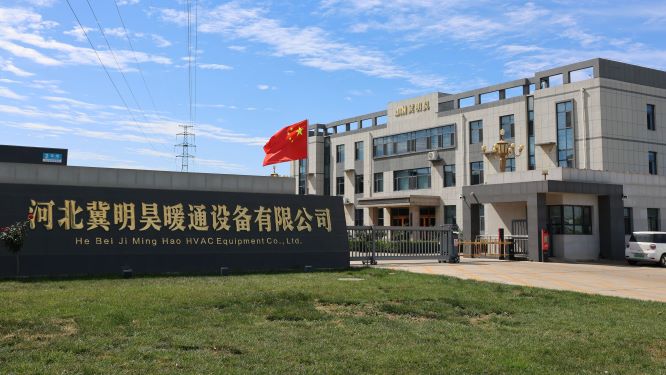
1. Substrate Treatment: Pre-process Affects Long-term Stability
Substrate pretreatment is the initial step of radiator production and the source of process gaps. Hebei Jiminghao adopts a standardized complete treatment procedure, including degreasing, derusting and passivation in sequence to reduce the risk of inner wall corrosion. Pretreatment schemes vary among manufacturers. Products with simplified treatment are more prone to scale accumulation and corrosion after long-term operation.
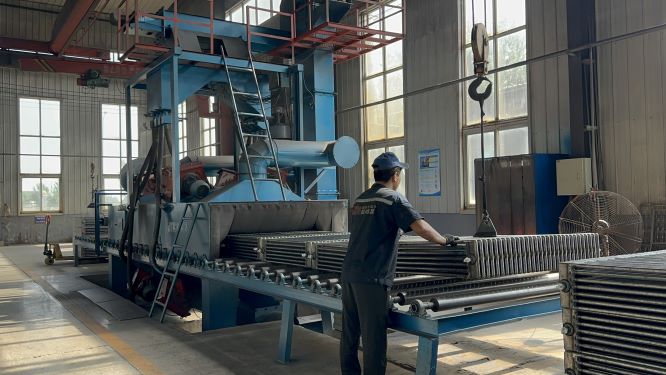
2. Welding Forming: Welding Method Determines Sealing Performance
Welding forming is directly related to the pressure resistance and leakage prevention of radiators. The company uses automatic welding equipment to obtain regular welds and reduce defects such as false welding and slag inclusion. Products mainly made by manual welding have poor weld consistency and carry a higher leakage risk under working conditions with pressure fluctuations.
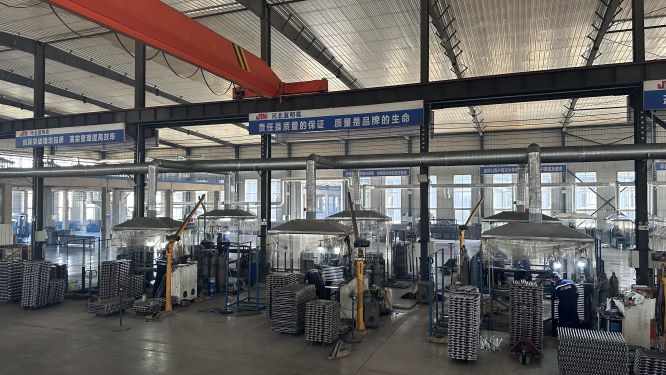
3. Surface Spraying: Coating Process Ensures Protective Effect
Spraying is not merely for appearance; it serves as anti-corrosion protection for the outer layer of radiators. The company follows the multi-layer spraying and curing process to ensure coating adhesion. For products with simplified spraying procedures, the coating is thin and tends to peel and rust easily in humid environments.
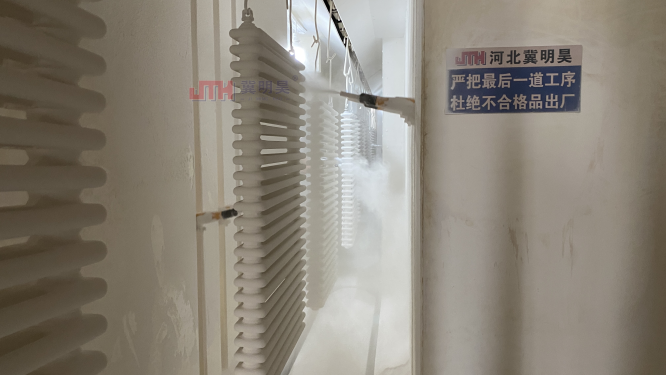
4. Pressure Testing: Verification Step of Factory Quality Control
Hydrostatic pressure test is the quality inspection procedure before delivery. The company conducts pressure testing on every single piece before warehousing and delivery. Some manufacturers adopt sampling inspection, which leads to inconsistent pressure resistance among individual products.
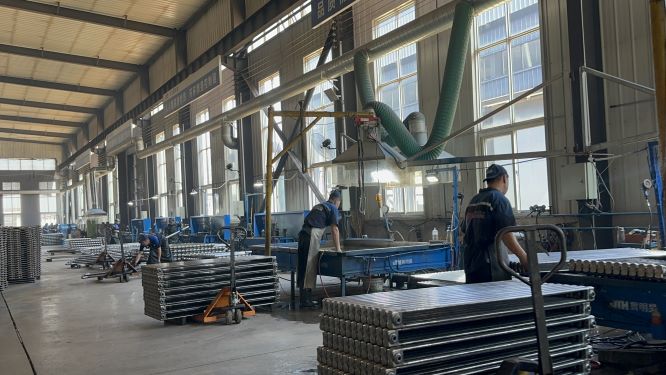
In summary, the differences in radiator products essentially stem from gaps in the overall production process and quality control standards. By comparing process links, buyers can move beyond simple price comparison. They may refer to the process specifications of large-scale manufacturers to establish a more objective product evaluation logic that meets the long-term usage requirements of public construction projects.
Q&A
Q: What are the key items to check when selecting radiators based on production processes? A: Priority should be given to four items: substrate pretreatment, welding method, spraying process and hydrostatic inspection. These are also the core procedures where manufacturers differ greatly in product quality.

